
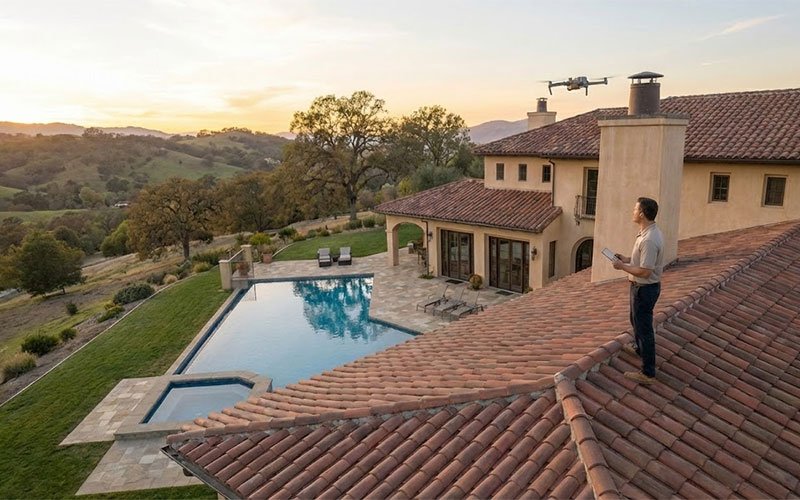
In Calabasas and the wider San Fernando Valley, a swimming pool isn’t just a luxury—it’s a standard of living. Whether you are buying a hillside estate in The Oaks or a family home near the Commons, the pool is likely the centerpiece of the backyard.
However, many homebuyers make a critical mistake during the closing process: They assume the standard home inspection covers the pool in detail.
The reality? Most standard home inspections stop at the patio door. If you are buying a home with a pool, relying on a basic visual check can lead to thousands of dollars in surprise repairs later. Here is why adding a dedicated Pool Inspection to your CIS Home Inspection is one of the smartest investments you can make.
The “Standard Inspection” Misconception
A general home inspection is designed to evaluate the safety and condition of the structure—the roof, foundation, electrical, and plumbing inside the walls. While some inspectors might glance at the pool to see if the water is clear, they are often not required to test the mechanical equipment or check for complex leaks under the scope of a general inspection.
A pool is a complex hydraulic system. Without a dedicated inspection, you are buying that system blind.
[Image of swimming pool circulation system diagram]
What We Look For (That You Might Miss)
At CIS Home Inspections, when we perform a specialized Pool Inspection, we are looking far beyond the sparkling blue water. We examine the “organs” of the pool that keep it alive.
Here are the critical components we evaluate:
1. The Equipment Pad (The Heart of the Pool)
The most expensive repairs usually happen here. We inspect:
- Pumps: Are they priming correctly? Is there screeching indicating worn bearings?
- Filters: Is the pressure gauge functioning? Are there signs of a cracked tank?
- Heaters: This is crucial in Calabasas, where desert nights get cold. A rusted or non-functional heater can cost $3,000+ to replace.
2. Structural Integrity & Surfaces
We look for horizontal cracks in the gunite or plaster that could indicate shifting soil—a common issue in the Santa Monica Mountains. We also inspect the coping (the edge material) and the decking for tripping hazards or drainage issues that could send rainwater back into the pool.
3. Electrical and Safety Compliance
Water and electricity are a deadly combination. We check underwater lights for proper sealing and ensure that Ground Fault Circuit Interrupters (GFCIs) are present and working. We also check for safety barrier compliance (fences, self-closing gates) which are strictly regulated in California to prevent accidental drownings.
The “Calabasas Factor”: Why Local Knowledge Matters
Pools in our area face specific challenges that we know how to spot:
- Evaporation vs. Leaks: In the dry heat of the Valley, water levels drop naturally. But how do you tell the difference between evaporation and a slow leak in the return line? We look for the subtle signs of saturation in the surrounding soil.
- The Age Factor: Many pools in Calabasas were built in the 1980s and 90s. If the plumbing is original copper rather than PVC, or if the main drain isn’t VGB-compliant (a safety standard for suction entrapment), you need to know before you close the deal.
The Bottom Line: Don’t Get Soaked
Repairing a pool resurfacing job can cost upwards of $10,000. Replacing a full equipment set can cost $5,000. Compared to these costs, the price of a professional Pool Inspection is a small insurance premium.
When you book your home inspection with CIS, ask to add on the Pool Inspection. We will give you a clear, honest assessment of the pool’s health so you can negotiate repairs with the seller—or simply dive in with peace of mind.
Ready to schedule your inspection?
Contact CIS Home Inspections today.
📞 (818) 421-5746
🌐 www.cisinspecthomes.com
📍 Serving Calabasas, Woodland Hills, and the Greater Los Angeles Area.